What Is the Difference Between Post-Renovation Cleaning and Formaldehyde Removal?
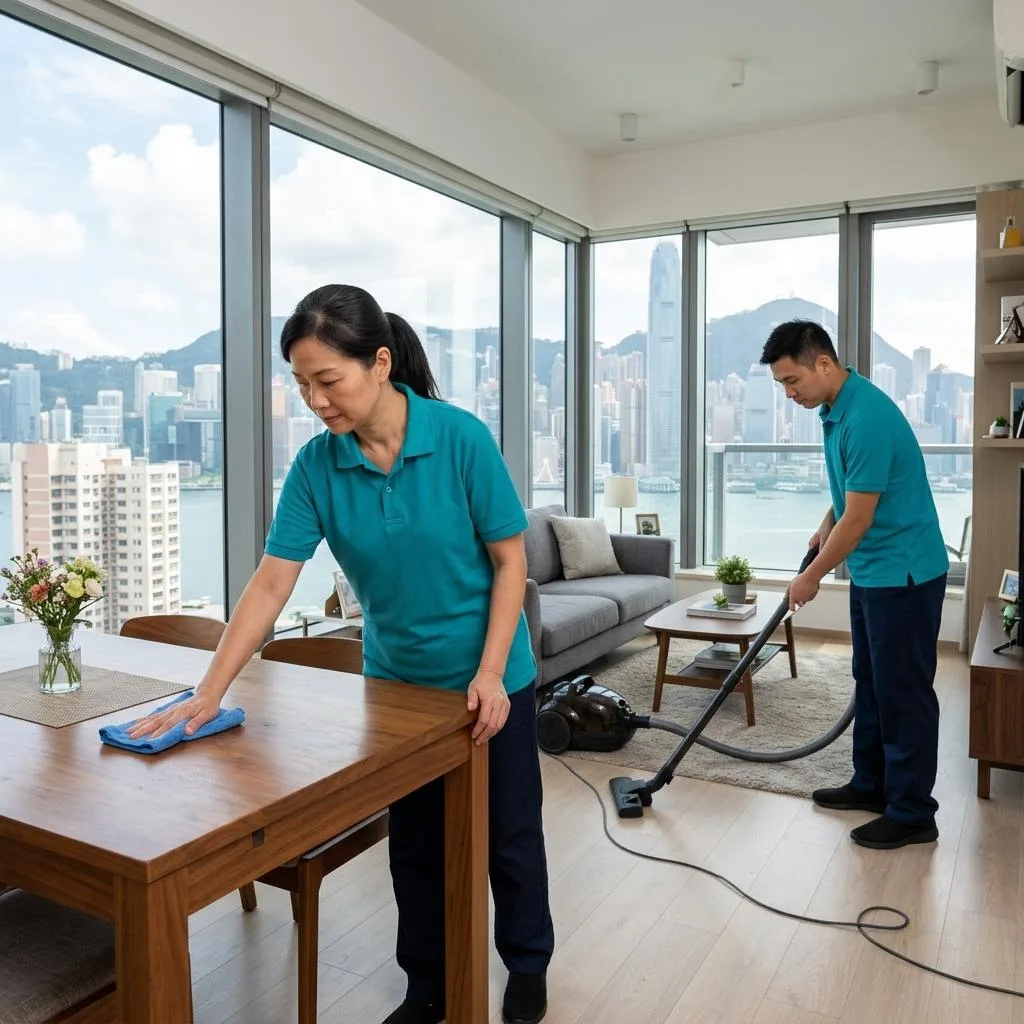
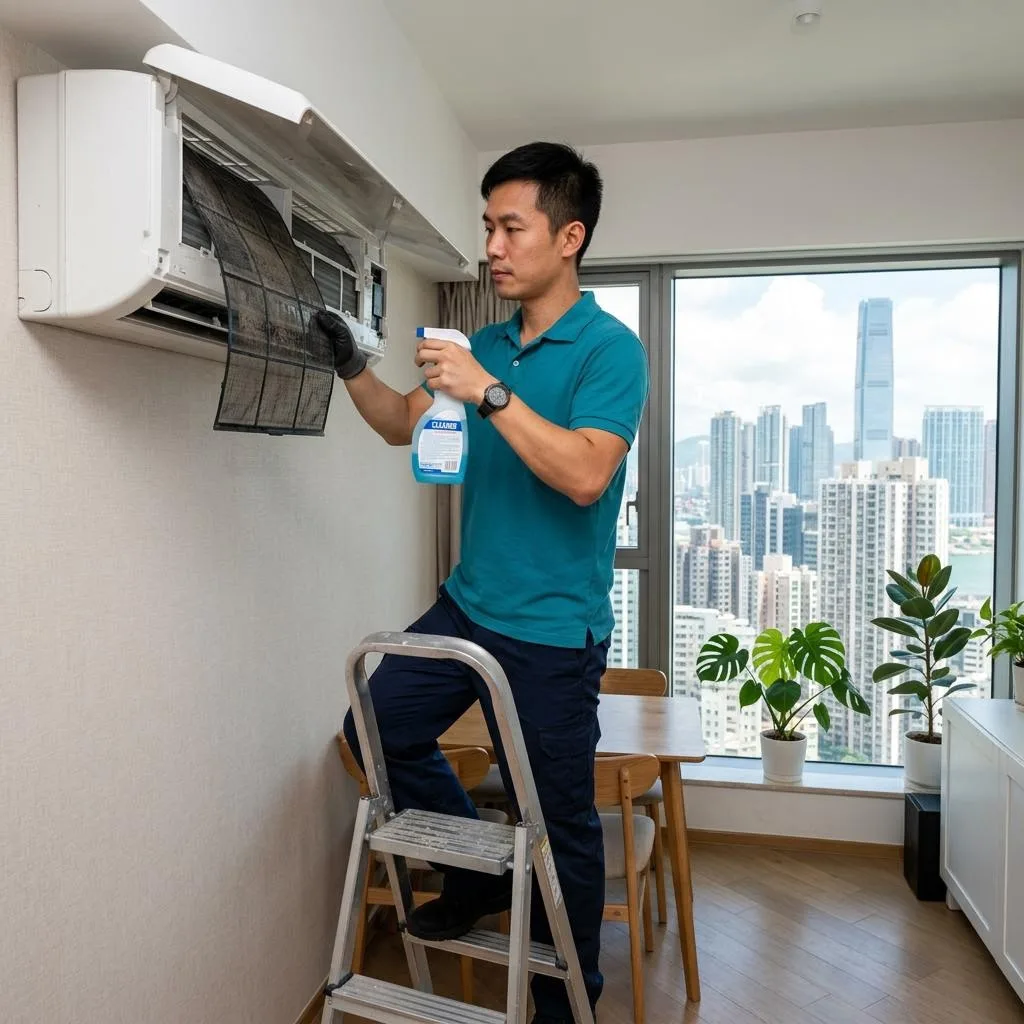
Post-renovation cleaning removes visible renovation dust, cement marks, tape residue, paint spots and wood shavings, as well as dirt in window tracks, cabinets, kitchens and bathrooms. Formaldehyde removal targets formaldehyde continuously released by air and materials. They solve different problems.
Even a spotless home can still have formaldehyde released from boards, paint and new furniture. Conversely, formaldehyde treatment without removing renovation dust leaves fine particles in floor gaps and cabinets. It is best to arrange both before moving in.
What Is the Correct Pre-Move-In Order?
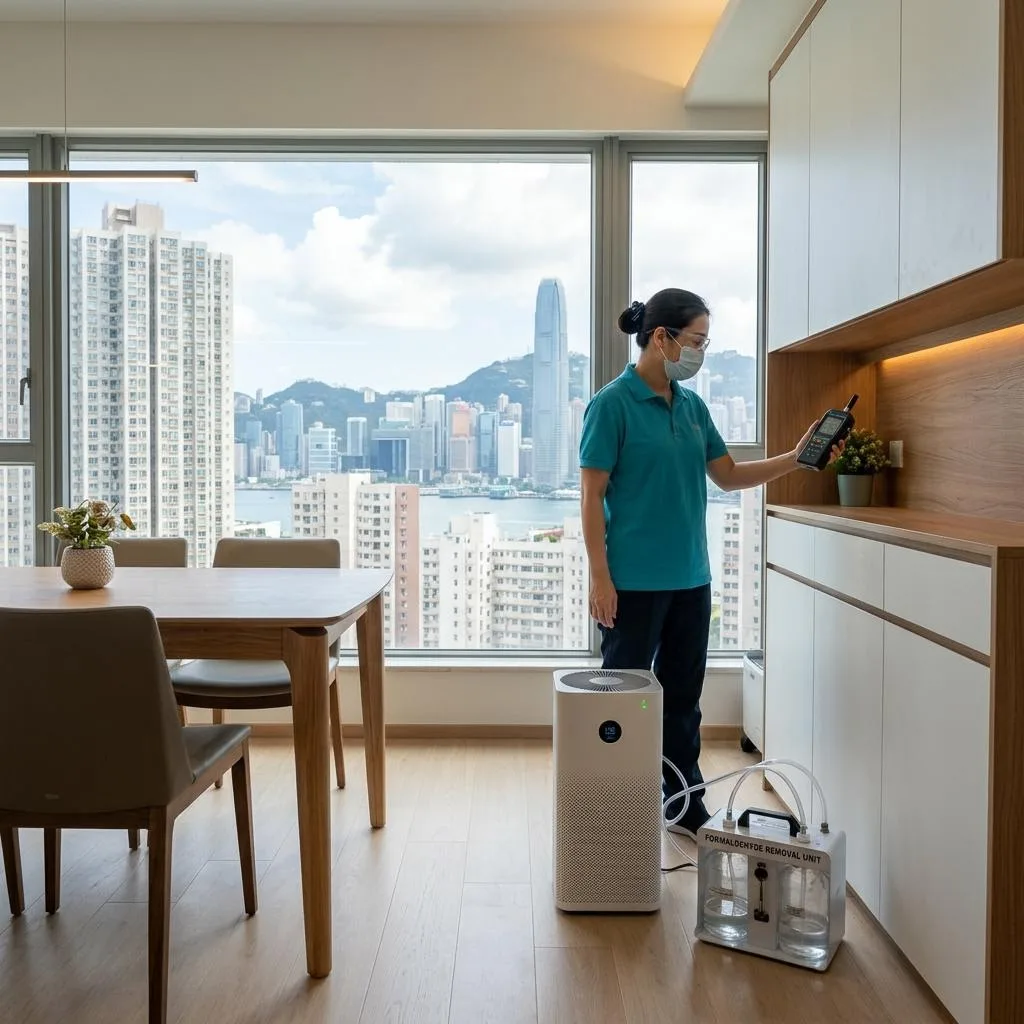
First, finish painting, drilling, cabinet installation and all major renovation work. Second, carry out a post-renovation deep clean from high to low, removing dust and stains throughout the home. Third, once new furniture has arrived, test for formaldehyde and carry out targeted treatment.
After treatment, ventilate according to professional advice and arrange a follow-up test if needed. Do not treat formaldehyde before cleaning, because subsequent sanding, moving and dusting can contaminate the air and surfaces again.
What Should You Ask About Formaldehyde Removal?
Before booking, ask whether pre- and post-treatment testing is included, where testing is carried out and what the report contains. Check that the method suits wooden cabinets, mattresses, fabrics and walls. Be cautious of claims of “zero formaldehyde immediately after spraying” without supporting data.
Hong Kong flats vary in layout and ventilation, while formaldehyde levels are also affected by temperature, humidity and the amount of new furniture. A reliable team assesses the site first and then proposes cleaning, testing, treatment and follow-up steps instead of forcing every home into one fixed package.
Cleaning Master
Want to Learn More? Contact Us Now
Professional home cleaning, deep cleaning and disinfection services across all 18 districts of Hong Kong. Transparent pricing with instant quotes — enquire today.